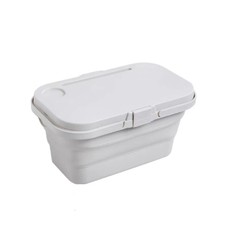


The proper use of stainless steel storage containers depends primarily on the characteristics of the stored items. Choosing the appropriate method ensures a tight seal against moisture and prevents cross-contamination of odors.
Dry Food Storage: Suitable for storing dry foods such as rice, flour, grains, beans, dried fruits, tea, and coffee beans. Before use, ensure both the container and the food are completely dry. Fill to about 80% full, leaving some space for easy access. These foods do not require a complete vacuum seal; a simple, tight seal is sufficient. However, store in a cool, dark place.
Moisture-Sensitive Food Sealing: For condiments that easily clump, such as sugar, salt, milk powder, and starch, a tight seal is essential. Place a food-grade desiccant inside the container, fill, and then tighten the lid, ensuring the seal is intact. Reseal immediately after each use to prevent moisture from entering.
Liquid and Semi-Liquid Storage: Can be used to store homemade sauces, honey, jams, or pickles. For this purpose, choose a wide-mouthed container for easy filling and cleaning. Do not overfill; leave at least 2-3 cm of headspace to prevent overflow due to thermal expansion and contraction. For acidic or high-salt foods, use 304 or 316 food-grade stainless steel to avoid corrosion.
Non-food item storage: Besides food, this storage can also be used to store kitchenware such as tableware and baking tools, or household items such as medicines, cosmetics, and stationery. Different types of items should be stored separately to avoid cross-contamination. Clean the containers regularly to maintain hygiene.