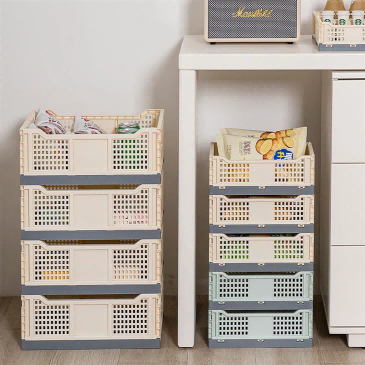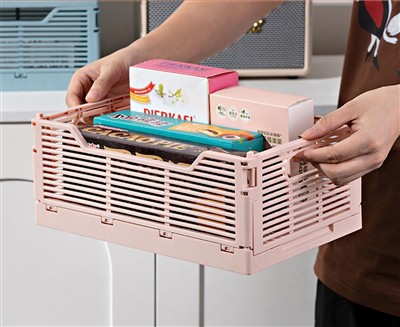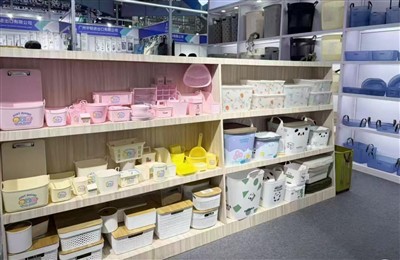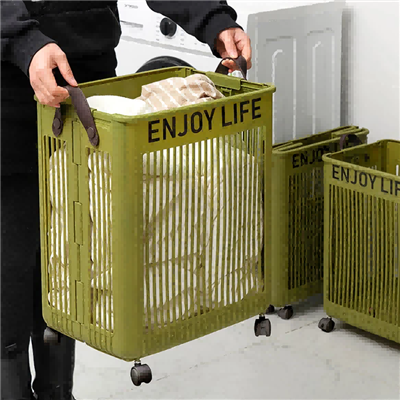


Storage containers, also known as organizers, storage boxes, or organizing boxes, are containers primarily used to hold, store, and organize various items to achieve efficient space utilization and orderly management of goods. They can be categorized by primary use into household storage boxes, commercial storage boxes (such as warehouse handling boxes), and specialized functional boxes (such as refrigerator storage boxes, insulated boxes, and toolboxes); and by structure into one-piece molded boxes (such as injection-molded storage boxes) and modular storage boxes.
Categorized by use and scenario, storage containers include ordinary storage boxes for organizing documents, clothing, and toys in the household sector, as well as specialized storage boxes for storing fruits and vegetables in the kitchen and for refrigeration; storage boxes and handling boxes for warehouse logistics in the commercial and industrial sectors; and specialized functional boxes including insulated boxes with heat preservation functions, toolboxes for storing tools, and car storage boxes for storing items in vehicles.
According to the materials and processes, storage containers are made of a variety of materials. Plastics include common PP (polypropylene) storage boxes, as well as PE boxes which are produced by rotational molding and are more durable [7]. Innovative materials include more robust ABS, environmentally friendly recycled plastics (rPP/rPET), and fabric, metal, and wood composite materials. Special processes include injection-molded storage boxes with UV resistance and toughness enhancement materials, as well as modular storage boxes that are easy to assemble and disassemble.