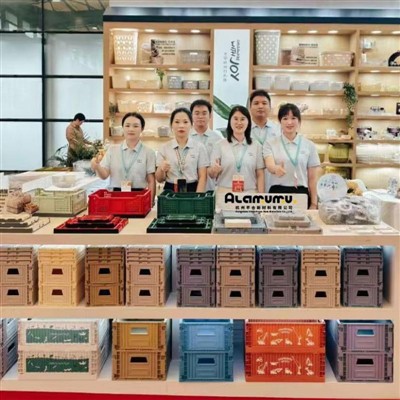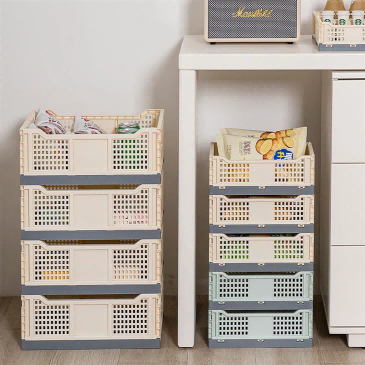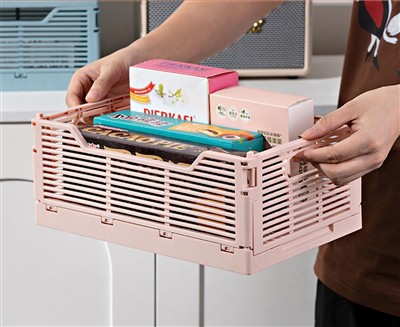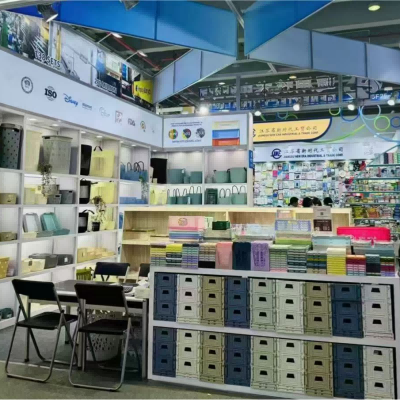


The ten most common materials for storage boxes include plastic, Oxford cloth, non-woven fabric, non-woven fabric with a film coating, silicone, glass, stainless steel, paper, wood, and metal (except stainless steel).
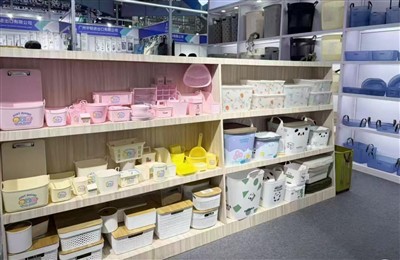
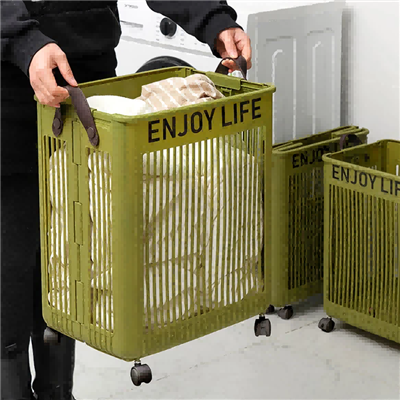
Plastic: Usually made of PP material, it's environmentally friendly, non-toxic, and odorless. It's easy to move and wipe clean. Lid-type boxes provide a seal, preventing dust and moisture. Some have casters for easy movement. However, it's not breathable, some are hard and brittle, easily damaged by bumps, and take up considerable space. It can basically store all kinds of miscellaneous items.
Oxford Cloth: Offers soft colors and various patterns to match different room styles. It's breathable, waterproof, wear-resistant, tear-resistant, washable, lightweight, and easy to use. However, it may have an unpleasant odor when first purchased and is easily scratched by sharp objects. Suitable for storing books, stationery, and winter clothing.
Non-woven Fabric: Features moisture resistance, breathability, flexibility, and lightweight, making it suitable for storing items that require ventilation, such as clothing. However, it's not very durable and easily deforms.
Non-woven Fabric: Features moisture resistance, breathability, flexibility, and lightweight. Suitable for storing items that need to breathe, such as clothing. However, it's not very durable and is prone to deformation. Non-woven fabric coating combines the breathability of non-woven fabric with the durability of plastic, offering both aesthetic appeal and easy cleaning. It's also resistant to dirt and suitable for storing a large number of items.
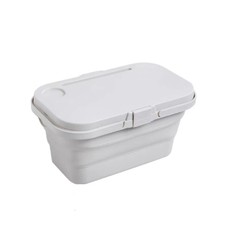
Silicone is an environmentally friendly and healthy material, possessing properties such as high and low temperature resistance, oxidation resistance, and non-aging. It contains no hazardous chemicals and can be washed and reused multiple times.
Glass is sturdy and durable, not easily deformed, does not absorb odors, and does not react chemically. It preserves the original flavor of food and can be used to store hot food. It can also be used in microwaves or ovens. However, it is relatively heavy and fragile.
Stainless steel is characterized by high strength, resistance to deformation, rust resistance, and easy cleaning. It does not contain harmful substances such as aluminum ions and formaldehyde, making it suitable for storing various foods, including acidic and alkaline foods. It can be used for refrigeration, freezing, and heating. However, it is more expensive, heavier, and opaque, making it difficult to observe the condition of the contents.
Paper is relatively inexpensive and offers diverse design options, but it has poor moisture and water resistance and is easily damaged. It is generally used for short-term or small-quantity storage of items.
Wood gives a natural and warm feeling, possesses a certain strength and durability, but is relatively expensive. It requires attention to moisture and insect prevention, and is suitable for storing valuable or sentimental items.
Metal (excluding stainless steel), such as aluminum alloy, is high in strength, durable, and not easily deformed, with a stylish appearance, but is also expensive and potentially heavy. It is often used for storage in industrial or special settings.